
By: Pamela Honey
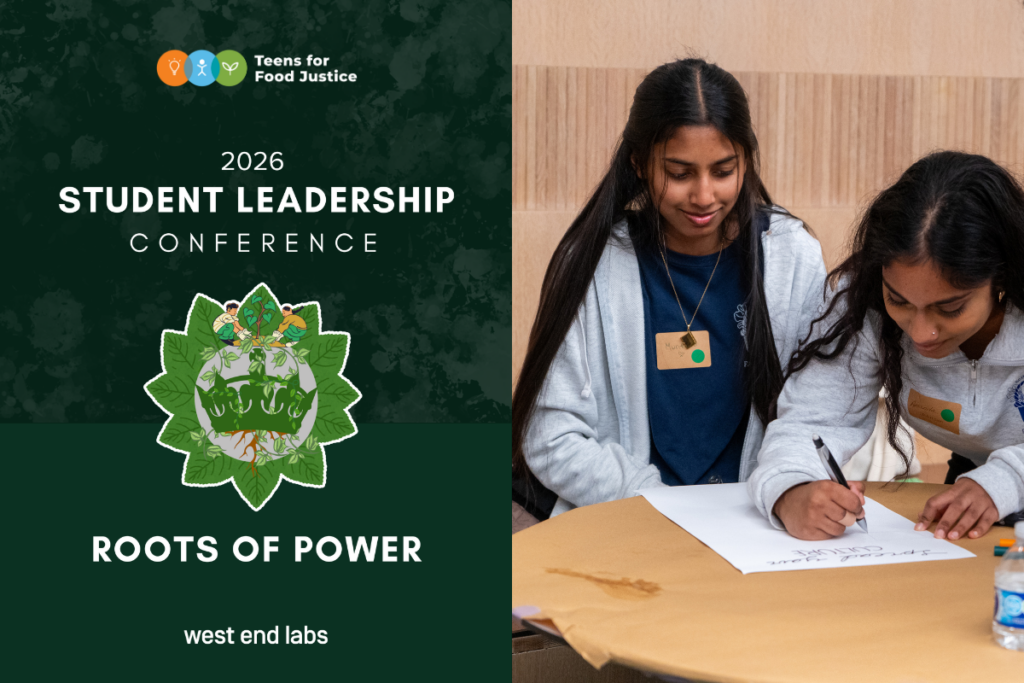
Roots of Power: Celebrating Our 2026 Student Leadership Conference
On May 1, Teens for Food Justice held its annual Student Leadership Conference at West End Labs in Manhattan. 122 students from 11 New York City schools joined teachers, farmer-educators, partners, board members, volunteers, and staff, 184 attendees in total, for a full day of storytelling, skill-building, and civic learning. This year’s theme, Roots of Power, centered student agency as the foundation of food system change.
Alumni Leading the Way
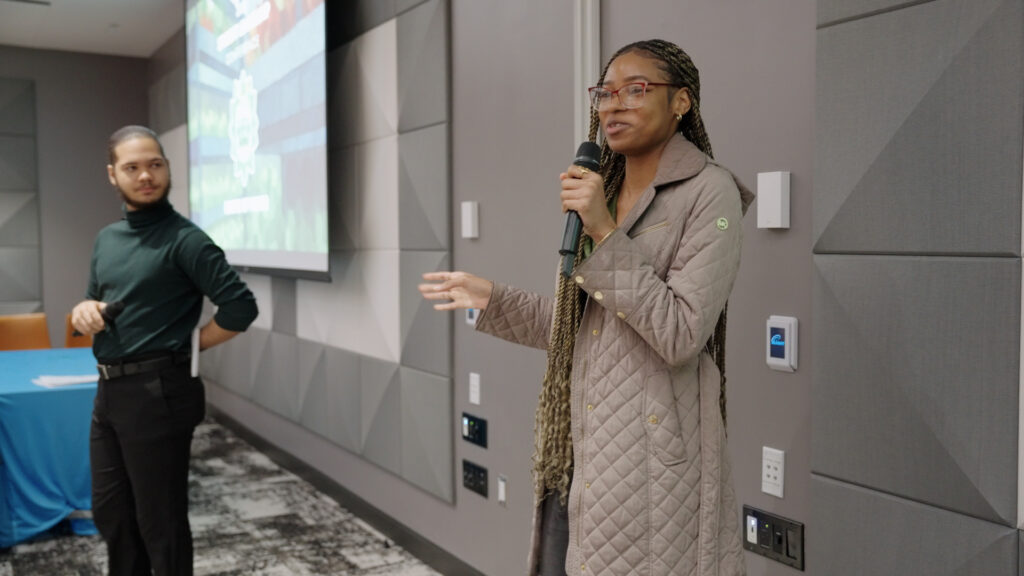
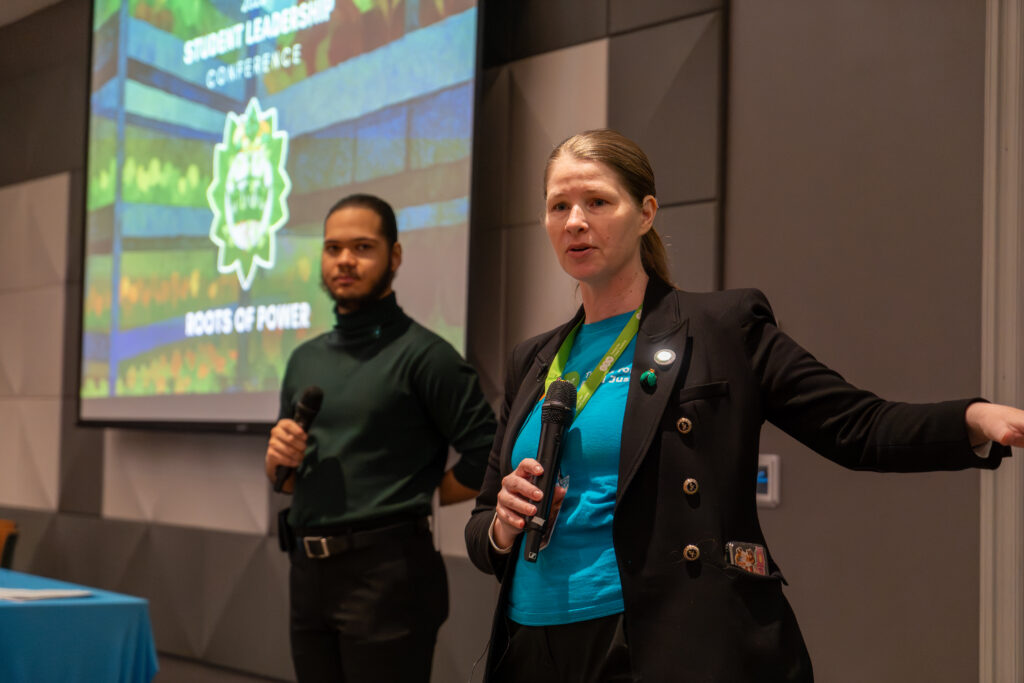
For the first time, TFFJ alumni played central roles in planning and leading the conference. Ambreal K. and Wascar S. emceed the conference, opening the day and setting the tone for what student leadership looks like beyond high school. Their leadership and presence in front of the more than 120 youth made it clear that the work students begin on school farms doesn’t end at graduation. Before the conference, Ambreal and Wascar also served on the jury that selected Roots of Power as this year’s theme, helped plan the t-shirt design contest and selected the winner from the student submissions.
Ambreal walked into a TFFJ farm her freshman year, looking for something to do after school. She stayed for three years. At Far Rockaway Educational Campus, she grew crops, co-led the Hydroponic Greens Giveaway, and became one of the program’s most vocal advocates. Now studying political science with a double major in media and sociology at Hunter College, she works as an Alumni Intern with TFFJ at the Martin Luther King, Jr. Educational Campus farm.
Wascar first encountered TFFJ as a student at MLK Jr. Educational Campus, where he learned hydroponics, mentored younger students, and found his purpose in food justice work. Now studying history at Hunter College, he still volunteers on the farm every week. At TFFJ’s 2025 Annual Gala, the organization’s flagship fundraising event, he was honored for his continued leadership and service.
Keynote Experience: Storytelling as Power
The first order of the day was for students to sit together for the keynote experience, led by Narrative 4. Narrative 4 is an artist and educator-driven, student-led organization that uses a story exchange exercise to help students understand that their voices, stories, actions, and lives matter, and that they have the power to change, rebuild, and revolutionize systems. The exercise was simple, though not easy. Students paired up. Each person shared a story, then switched. When it was time to speak again, each student tried to tell their partner’s story as if they had lived it themselves.
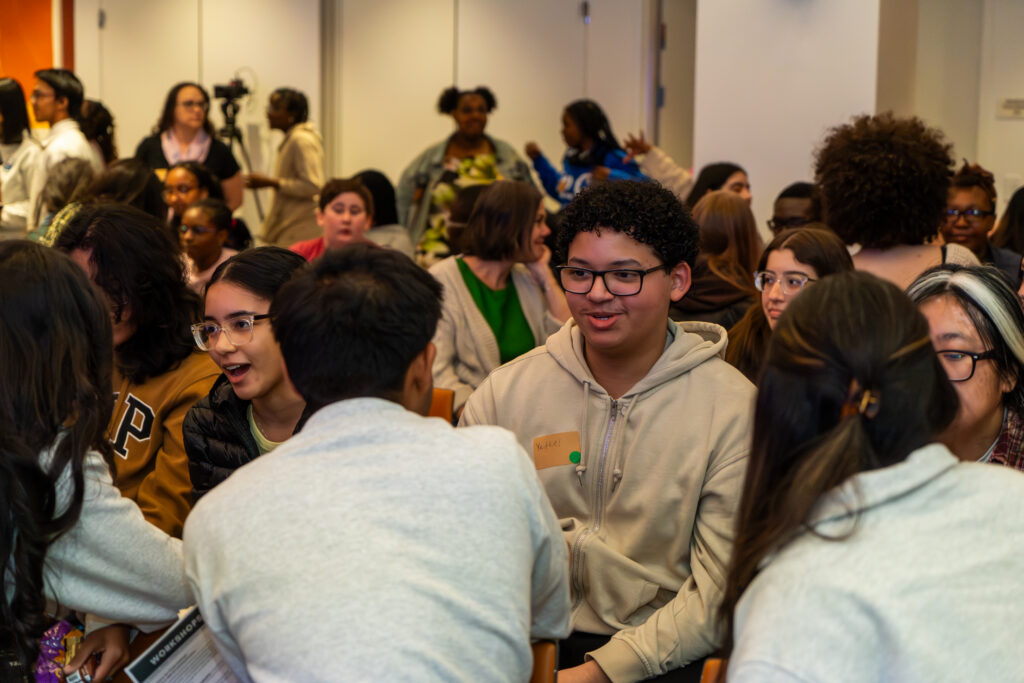
Ambreal and Lee from Narrative 4 modeled the exchange first. Lee told Ambreal’s story. Ambreal told Lee’s. The demonstration showed students what the exercise demanded and what it could create. Then the students moved into and through it. The room opened up. Students who had arrived from different boroughs, different schools, different farms now shared each other’s stories”. They reflected on food, identity, community health, and the moments that shape who they are.
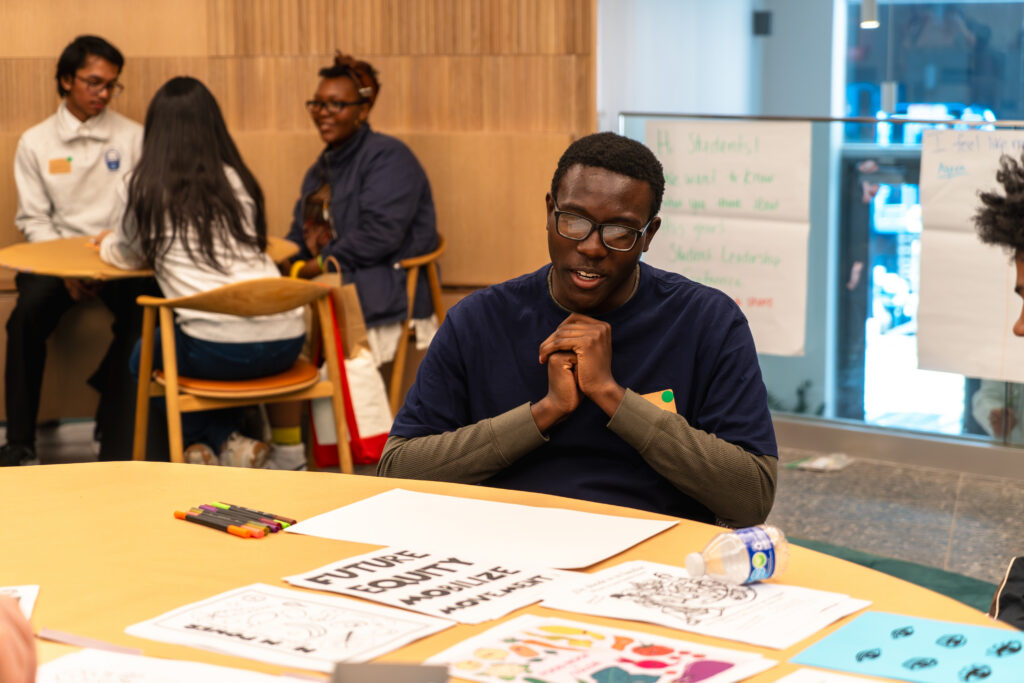
The session emphasized to students that understanding their own stories helps them see their role in food system change. Pairing empathy with agency creates power. After the story exchange, students gathered in small groups to name what they heard, identify shared values, and begin connecting their stories to the issues that matter in their communities.
Student Projects on Display
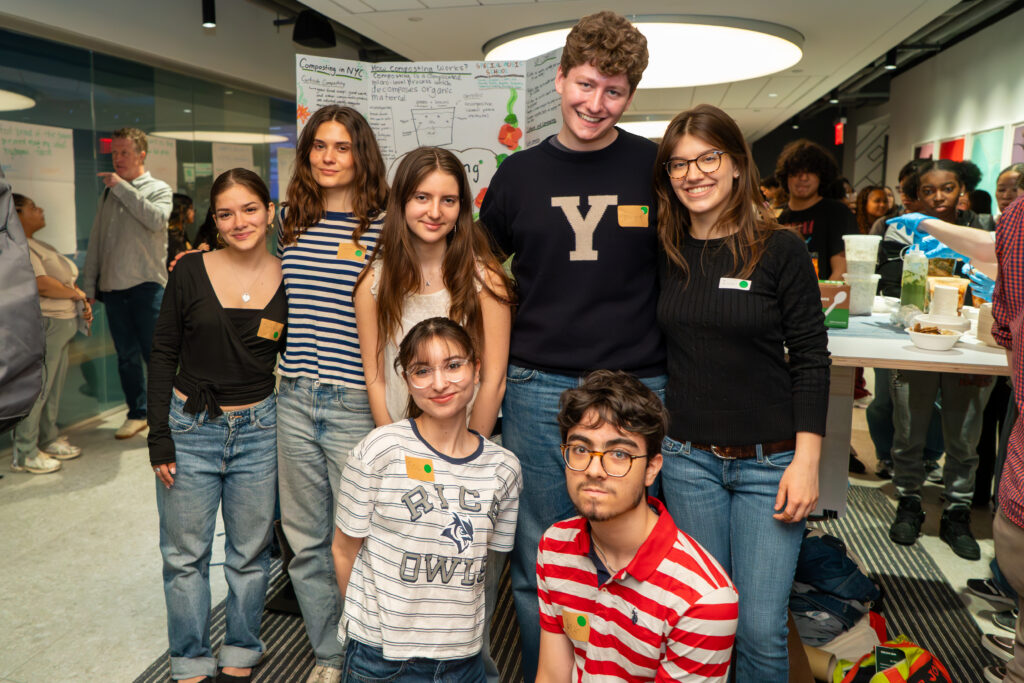
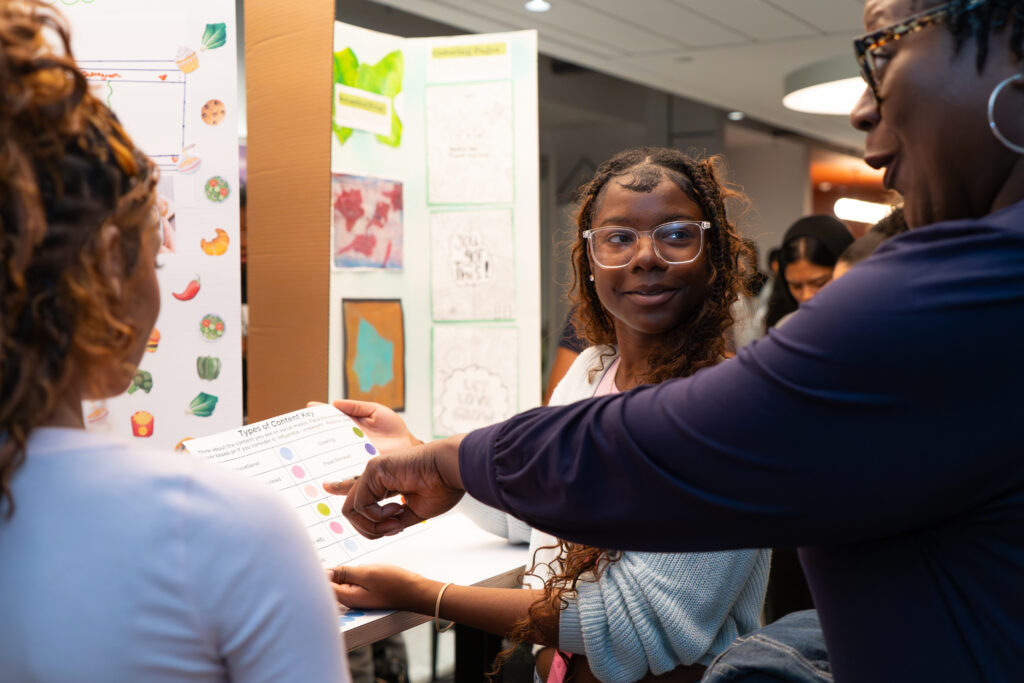
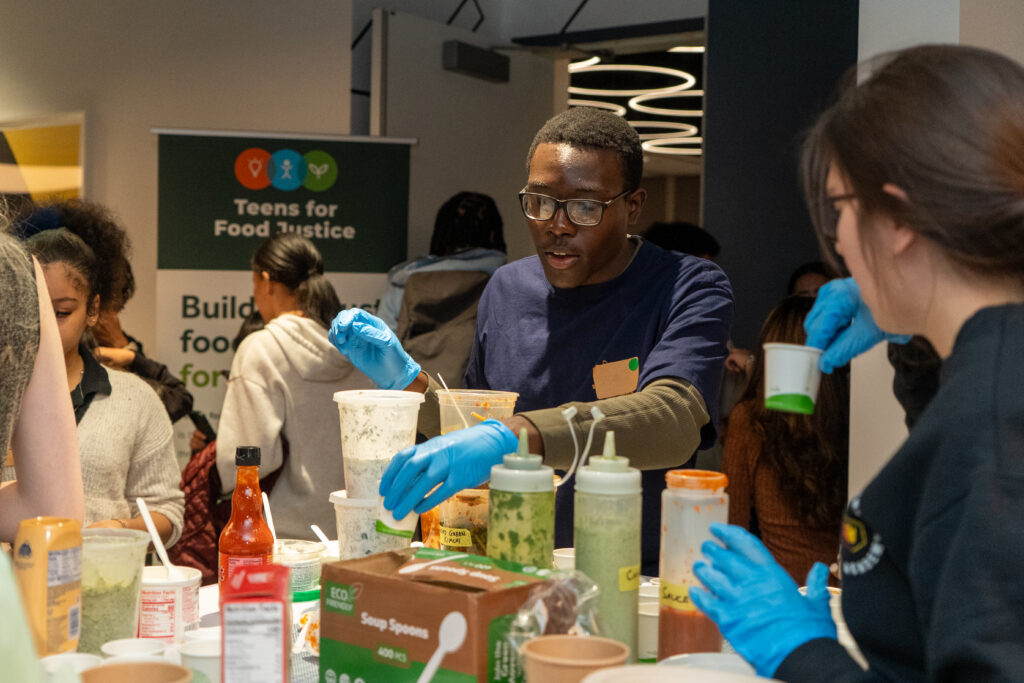
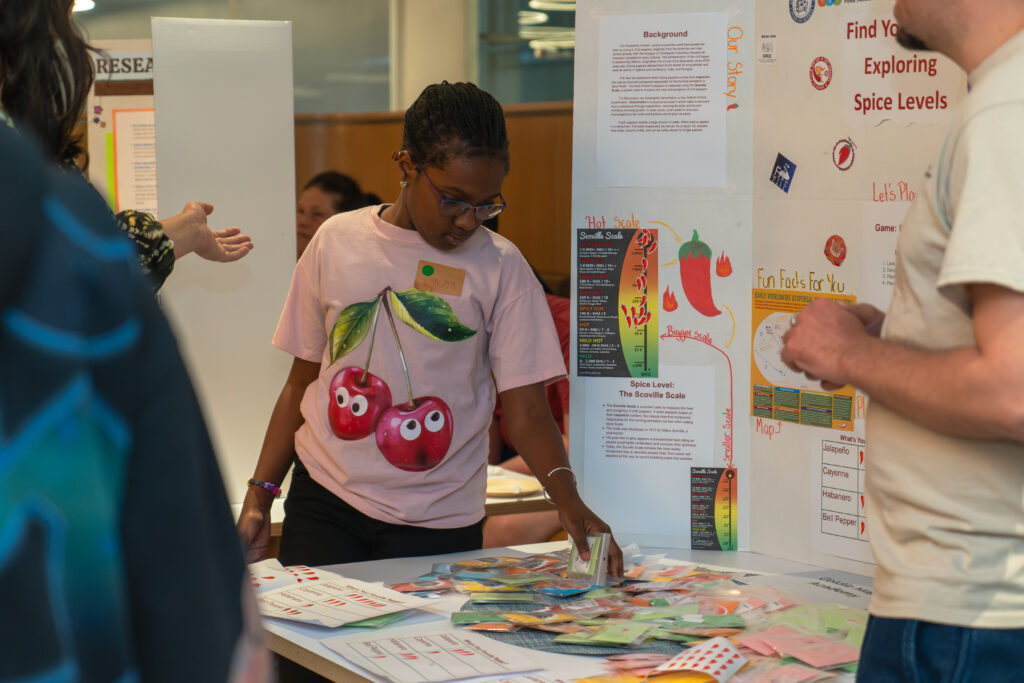
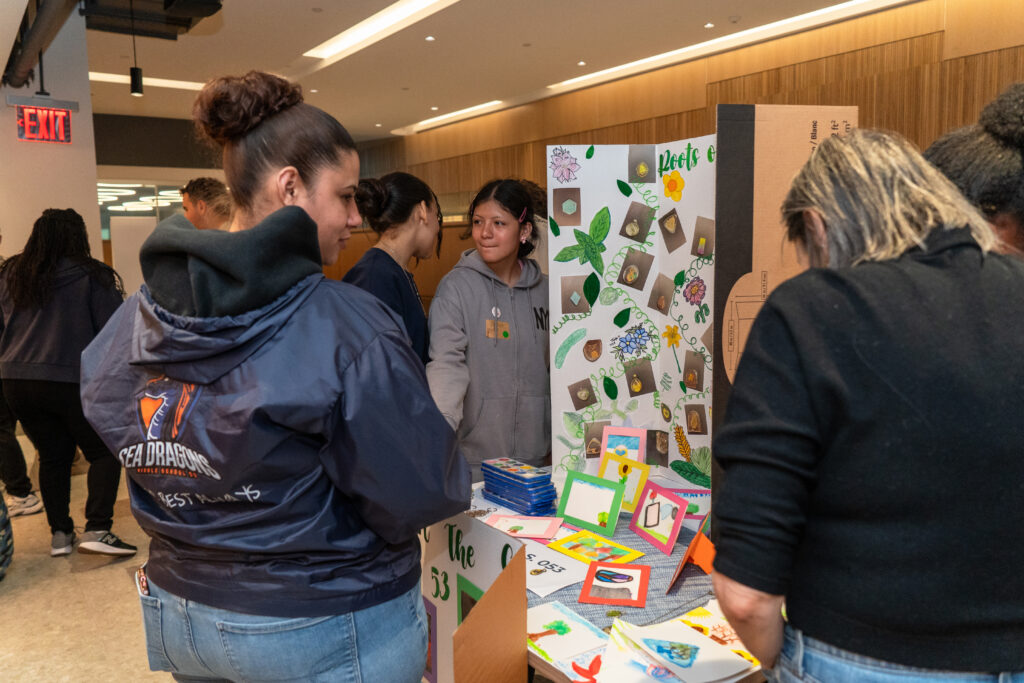
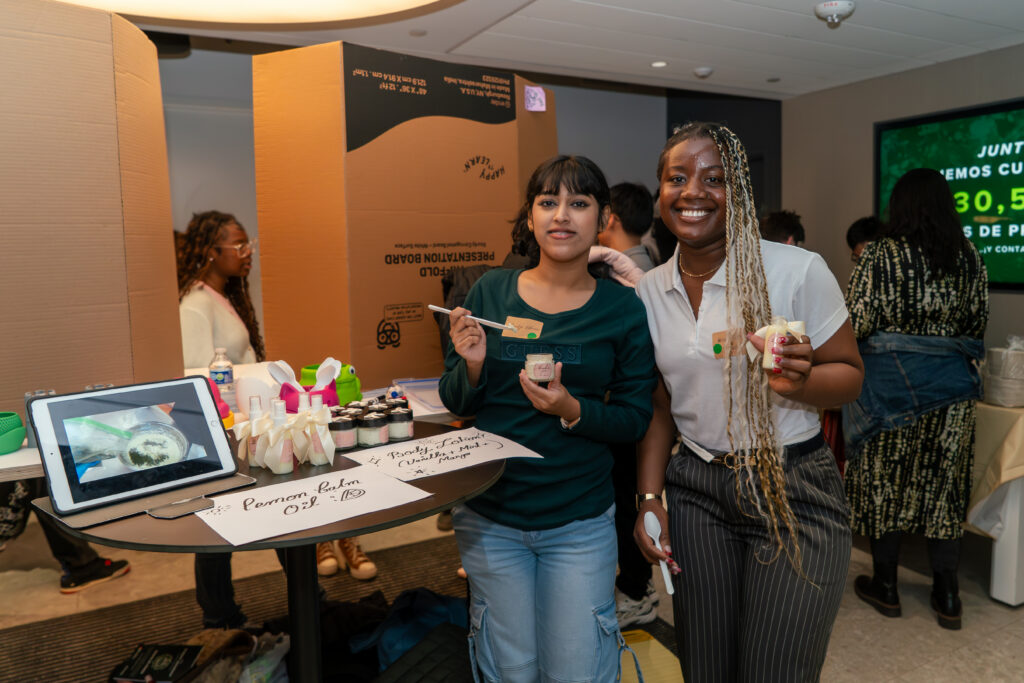
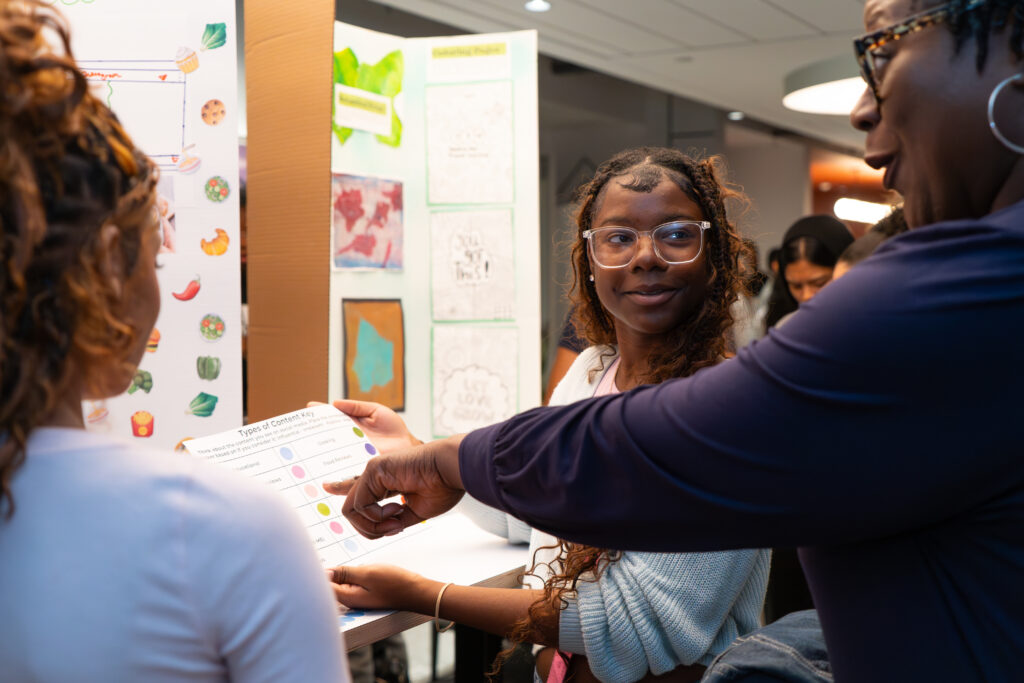
Throughout the day, student projects from across TFFJ’s farms were displayed on tables throughout the conference space. The work ranged from product design to environmental advocacy to 3D modeling, each showing student agency at work, driven by their own questions, observations, ideas, and rooted in what students had learned on the farm.
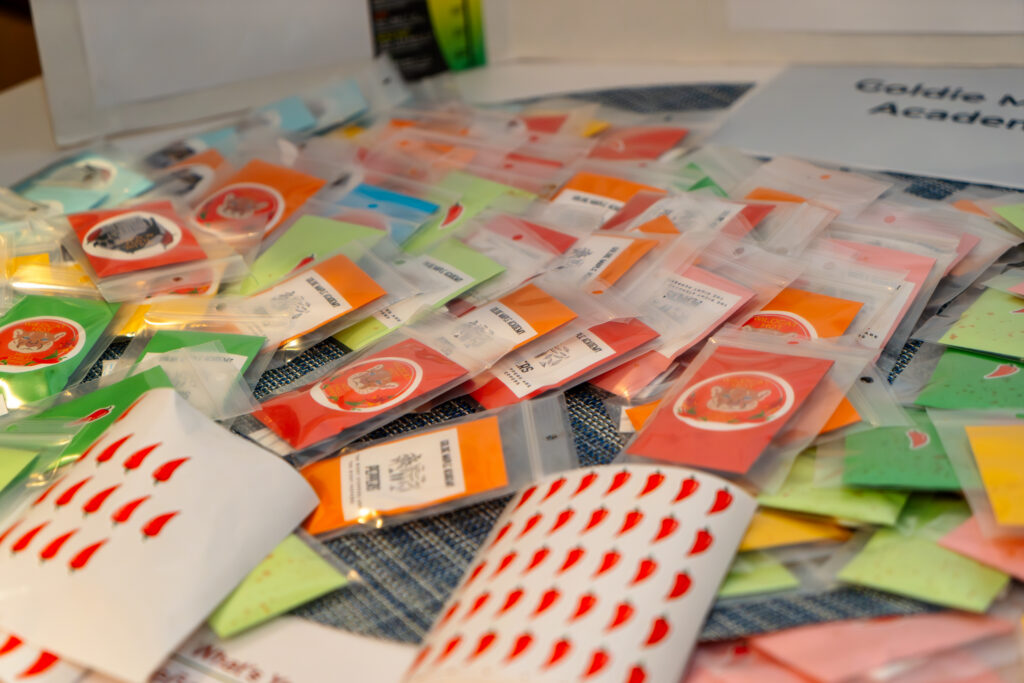
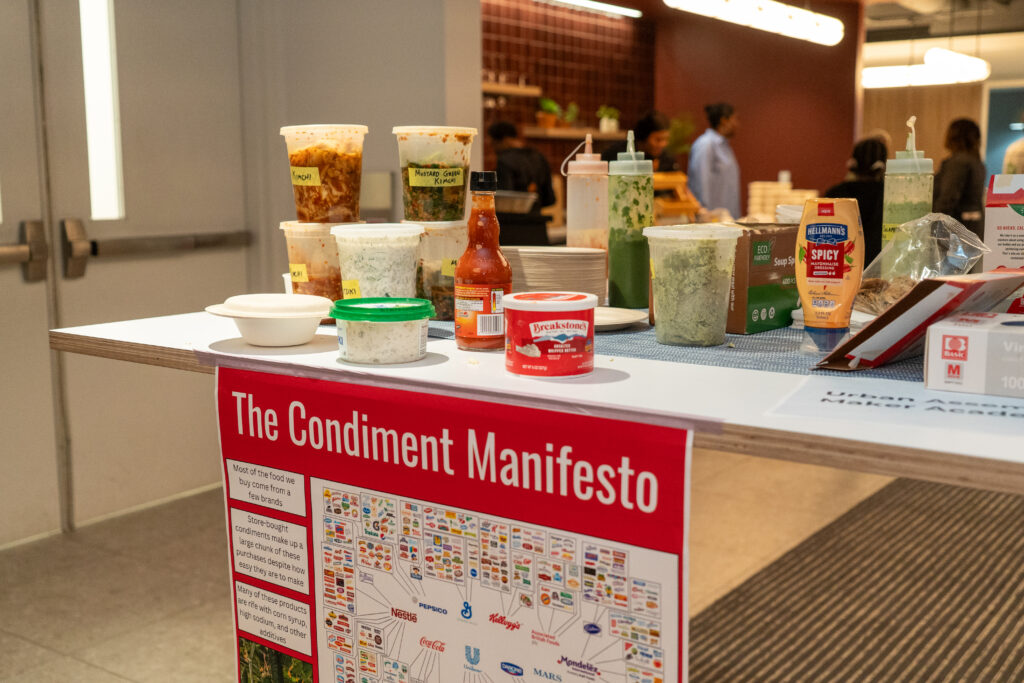
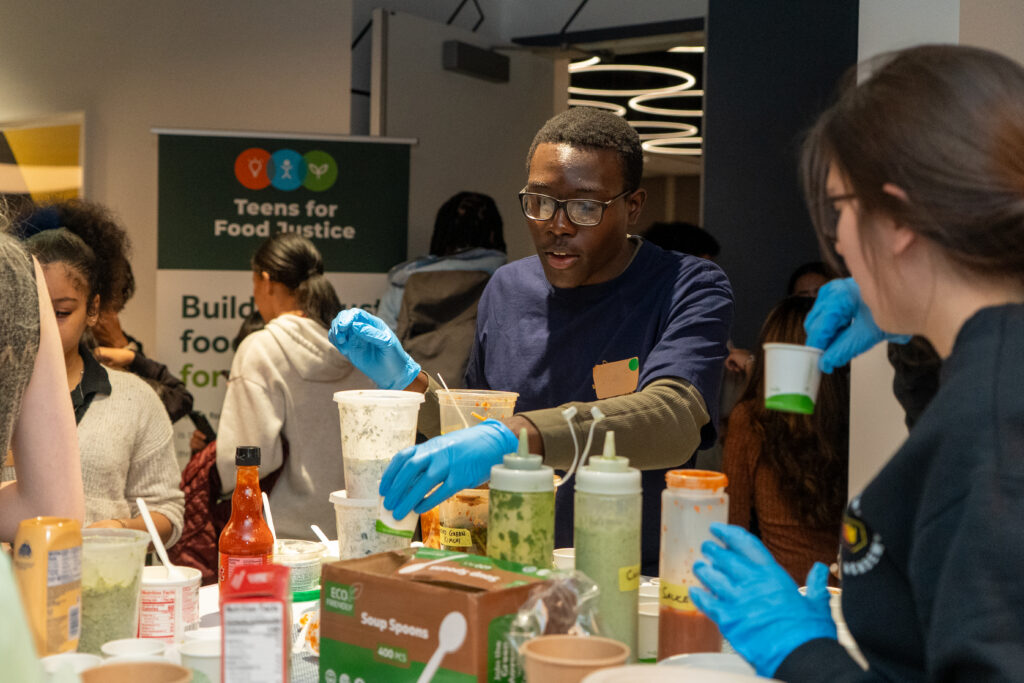
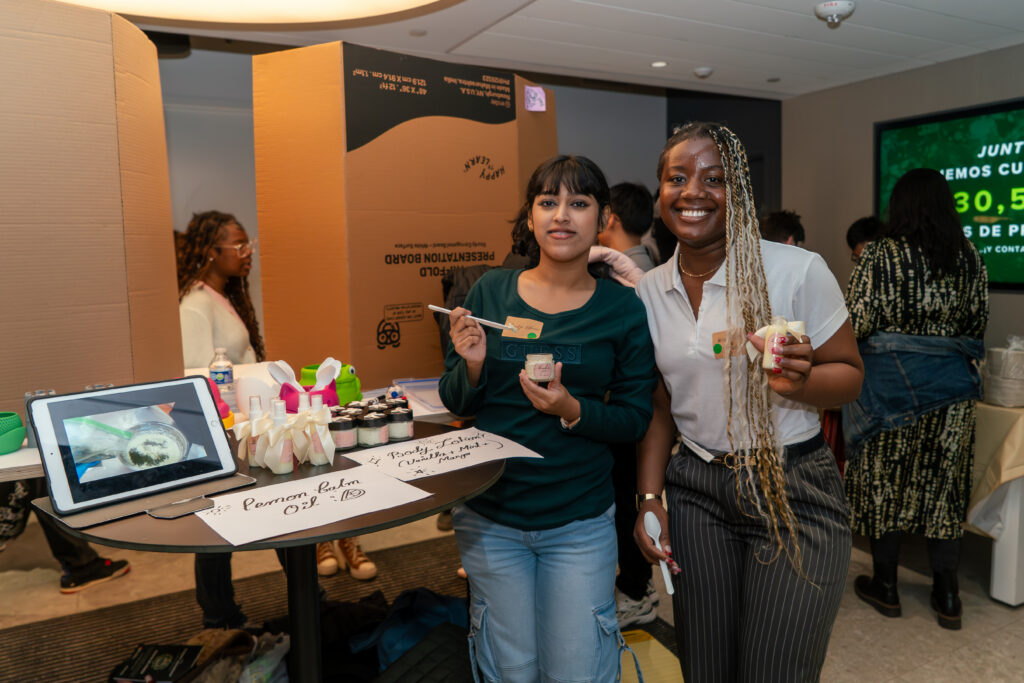
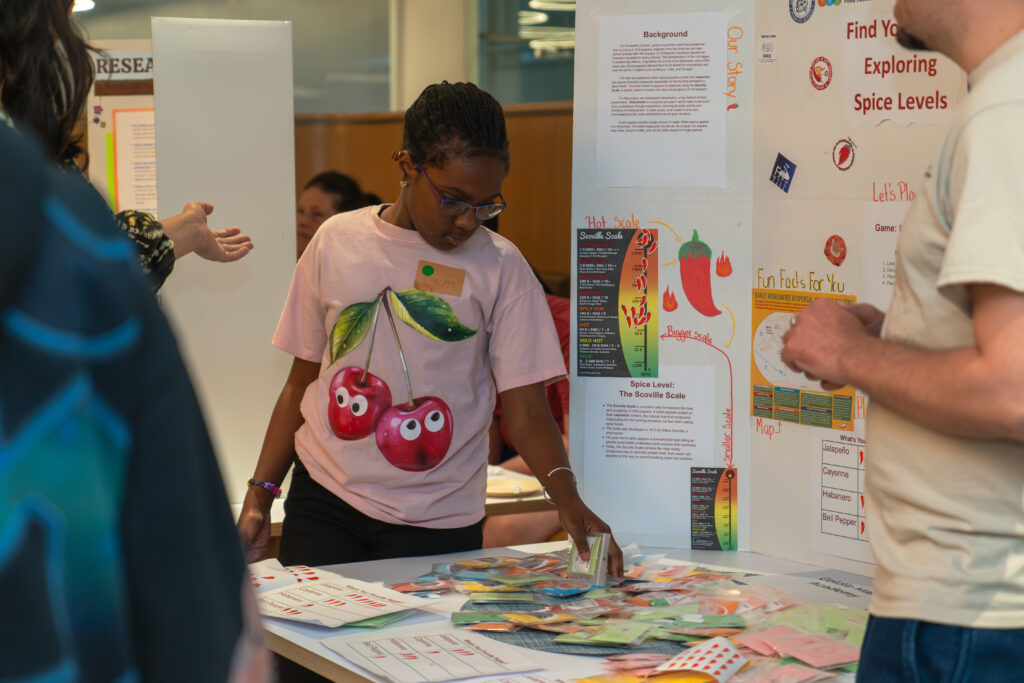
Multiple schools turned their harvests into products that challenged the commercially available options when it comes to everyday items. The Scholars’ Academy (Queens) used hydroponically-grown herbs from their farm to make lip balm and body scrub, and had SLC participants scan commercial products and compare ingredients using the EWG Healthy Living app, which identifies harmful ingredients. Urban Assembly Maker Academy (Manhattan) made condiments using whole, farm-grown ingredients and had attendees taste-test them against store-bought brands. Goldie Maple Academy (Queens) dehydrated farm-grown hot peppers into spice flakes, designed a logo for the packets, and created a heat-level scale. DeWitt Clinton High School (the Bronx) created a spice blend, recipe, and produce bag from dehydrated farm crops.
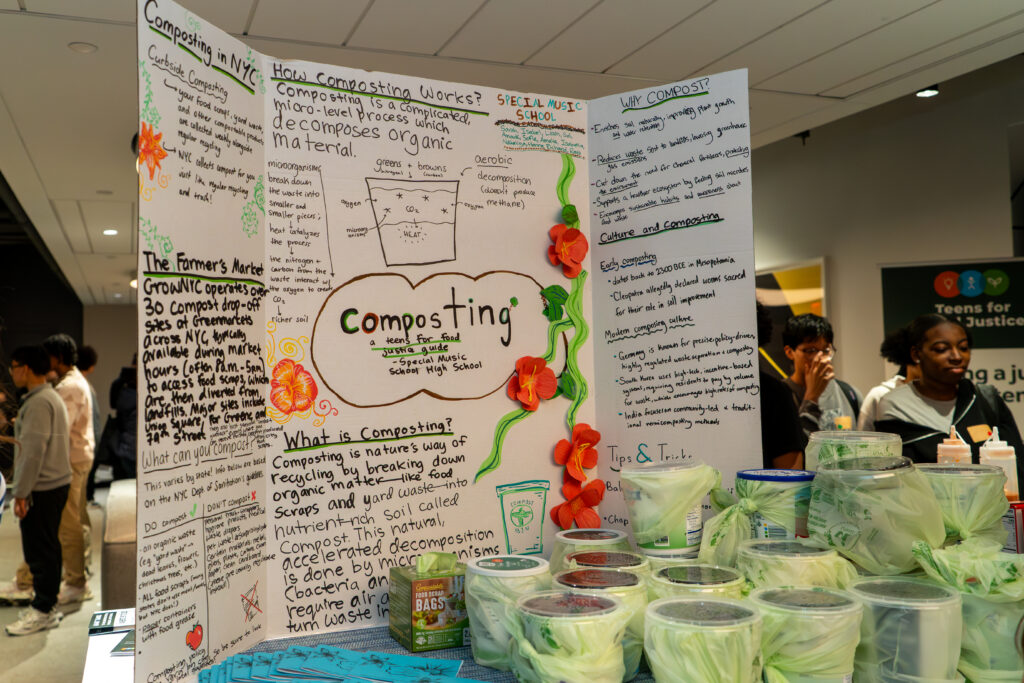
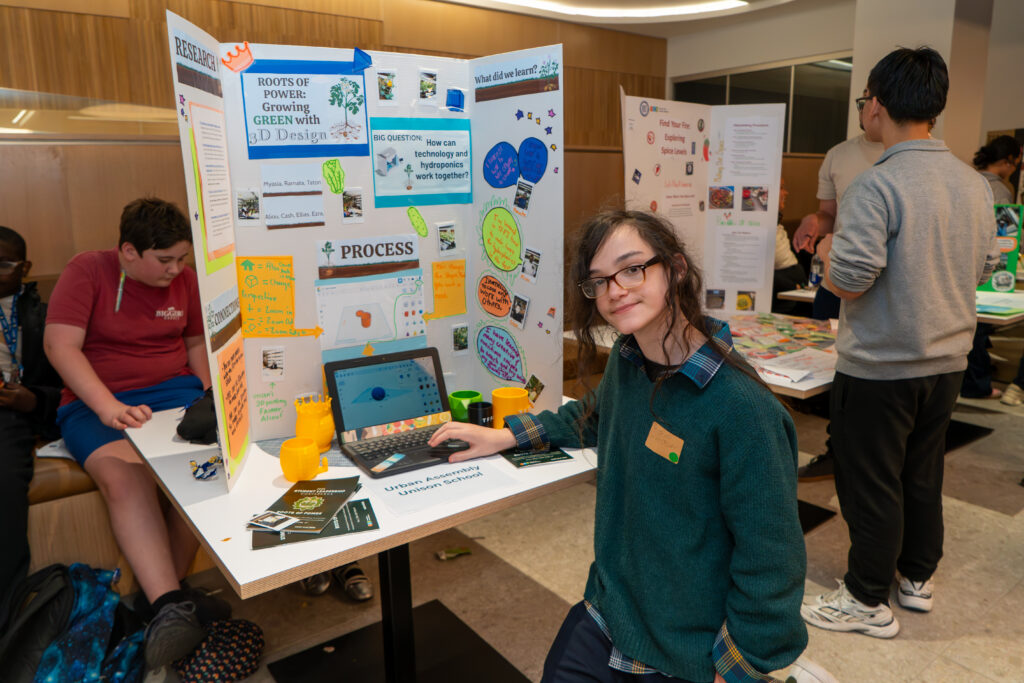
Other projects explored sustainability, art, and digital advocacy. MS053 (Queens) launched a product line called Upcycling Roots, turning harvested roots and discarded plant parts into jewelry. Special Music School students at Martin Luther King Jr. Educational Campus (Manhattan) designed accessible compost containers tied to NYC’s composting mandate, while other students from the same farm created botanical prints and coloring pages. Riverdale/Kingsbridge Academy (the Bronx) demonstrated hydroponic growing using recycled plastic bottles. Far Rockaway Educational Campus (Queens) students examined food-related social media content and positioned digital creation as a tool for food justice. Students from the Urban Assembly Unison School (Brooklyn) merged their hydroponics club with the 3D printing club to create Growing Green, a project that designs and prints planters to hold herbs.


Workshops That Built Skills
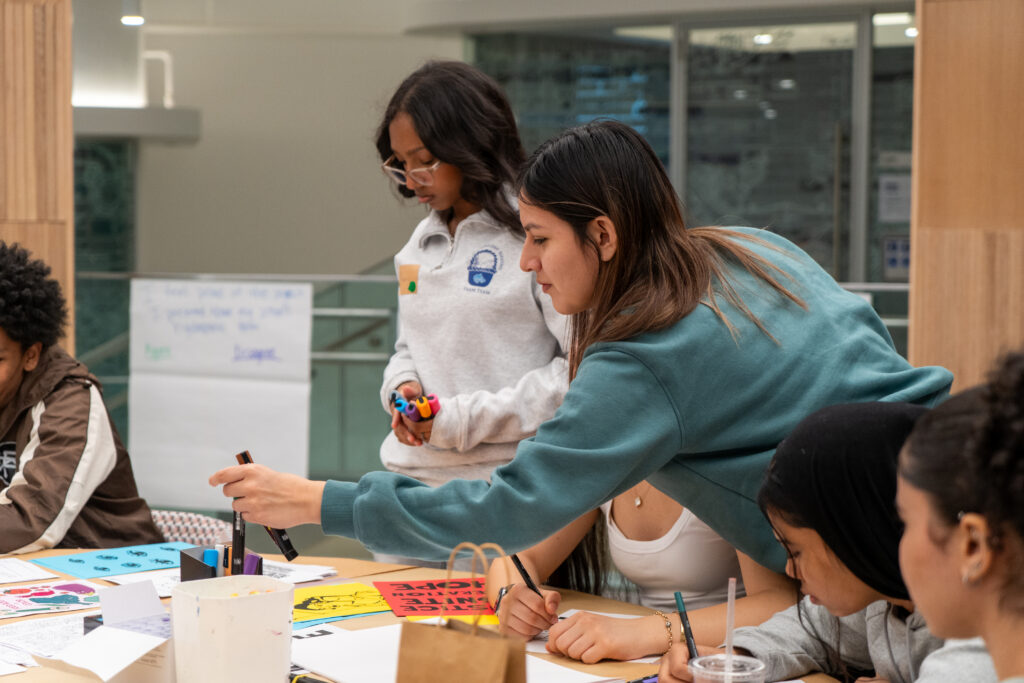
Later in the day, students chose workshops based on their own interests, including student-led learning opportunities. Iman A., a student from DeWitt Clinton High School, and Shalom Haileselassie, a Sister Sol Chapter leader from Brotherhood Sister Sol, a Harlem-based organization that educates and organizes young people for social justice, led a session on creating posters on food justice for students interested in visual communication and advocacy. Lucy, TFFJ’s farmer-educator at DeWitt, had invited Iman to teach a workshop at the DeWitt farm after witnessing his art and activism through a Brotherhood Sister Sol training. The success of the in-farm workshop spurred Renae Cairns, TFFJ’s Senior Program Manager, to invite both Iman and Shalom to lead the workshop at the SLC. Participants learned how art functions as a tool of communication, helping individuals and communities express their beliefs and experiences through visual activism.
Other workshops invited students to learn from professionals working in fields related to lessons learned in their farms. Students interested in culinary careers joined a panel of chefs – Chef LaToya Meaders, Chef Corey, and Chef Rich Okamoto – who spoke about culinary careers. They shared their own pathways into food work, discussed skills students need to build careers in the field, and explored how culinary expertise supports food justice work. Some headed to GrowNYC to build their own model farmstand. Others joined Chef George from the NYC Public Schools Office of Food and Nutrition Services in a workshop where he demonstrated how to cook with farm produce by preparing a salad and vinaigrette. Cornell University Cooperative Extension led a hydroponics trivia session with multiple-choice, short-answer, and lightning rounds covering plant identification, nutrient cycles, and hydroponic systems. Narrative 4 continued their storytelling work, focusing on turning empathy into action. Francis Yu from Community Food Advocates ran a workshop called “Everything’s Too Expensive” that examined city-owned supermarkets and the NYC food affordability crisis. Across every workshop, students moved between skill-building and strategy, between technical knowledge and civic imagination, guided by professionals working in food policy, health, and community justice. They asked questions. They tried new tools. They designed projects rooted in what they grow and care about, and they walked away with a vision of themselves in this work.
A Full Day of Student Leadership
Students left the conference with new skills and new connections. They were challenged to tell their own stories and hear others’. They learned new hydroponic skills, business strategy, art, and composting. They met professionals working across the food system. Most importantly, they spent a full day in spaces designed for them to lead, make decisions, and be heard.
A full day of storytelling, skill-building, and civic learning showed what student agency looks like when students are trusted to lead.
Roots of Power closed the day with a clear message: students are the ones who can change the food system. Those who gathered on May 1 came to understand that their leadership shapes the future. They left knowing they are not waiting to lead–they are leading now. ❦
Pamela Honey is the Communications & Content Coordinator at Teens for Food Justice.
Watch the full 2026 SLC recap, and explore the photo gallery below.
Event Gallery | View the full event gallery here




Photos and videos by: Jennifer Cuciti.