
School Day
Program

School Day
Program

Building School-Based Farms, Growing Student Leaders

0

STUDENTS ENGAGED IN SCHOOL DAY ACTIVITIES​

Program Goals

Explore urban farming, advocacy, and food justice—and understand how they connect
Learn how food can be grown using both complex hydroponic systems and simple home kits
Build research, communication, and public speaking skills through independent projects

Learning happens on the Farm​

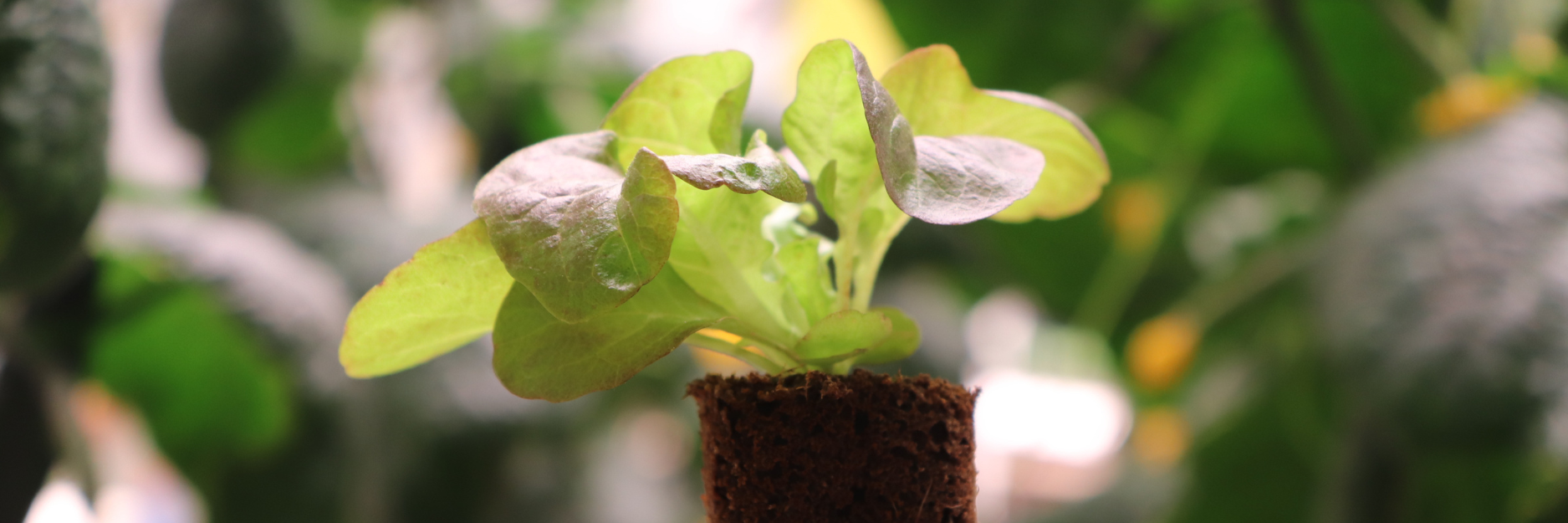
TFFJ partners with Title I middle and high schools to embed working hydroponic farms directly inside school buildings. During the school day, students across grade levels learn STEM, urban agriculture, health education, and food justice through one connected model.

What students do

School-day classes use the farm as a learning environment. Students observe, analyze, and engage with a functioning food production system as part of their core coursework. Farm operations, including seeding, harvesting, and distribution, take place through TFFJ’s afterschool program, which students join by choice.
> Learn more about the afterschool program

STEM Education

Science on a living system.

Students apply plant biology, nutrient management, data collection, and environmental science to a real, functioning farm. Lessons align to Next Generation Science Standards.
Health & Nutrition

Understanding what they grow.

Students learn how diet connects to long-term health, including the relationship between food access and chronic disease in their own communities.
Culinary Education

From farm to table.

Students prepare and share culturally relevant recipes using produce from the farm, building practical skills alongside food knowledge.

Food Justice​

Connecting farm to system.

Students examine the structural causes of food insecurity and develop advocacy skills to push for equitable food access in their communities.
Support programs that put fresh food and food justice education in students' hands.

Elementary School Programming

Students are introduced to urban farming through Controlled Environment Agriculture (CEA), sustainability, nutrition, food justice, and advocacy. They also take part in student-led cooking demonstrations using produce grown on the school farm.

Middle School Programming

  • Level 1: Introduction to Urban Farming and Food Justice
    Students learn the basics of urban farming, sustainability, and advocacy. They explore hydroponics through simple grow kits, compare soil and hydroponic systems, and connect farm learning to nutrition through student-led cooking.

__________

  • Level 2: Scientific Inquiry in Hydroponics
    Students dive deeper into hydroponic science by working with Deep Water Culture (DWC) and Vine Crop Systems (VCS). They experiment with different crops and continue building nutrition skills through cooking with farm produce.

__________

  • Level 3: Nutrition and Social Entrepreneurship
    Students study the nutrition of leafy greens and herbs and use design thinking to imagine new urban farming ideas. They apply creativity and problem-solving in a final project focused on building their own “Dream Classroom Farm.”

High School Programming

  • Level 1: Foundations in Urban Agriculture
    Students explore the building blocks of urban farming through plant science, food science, and early career exploration. They work with simple grow kits, run small research projects, and strengthen nutrition skills through student-led cooking with farm produce.

__________

  • Level 2: Advanced Hydroponics and Nutrition
    Students deepen their understanding of soilless growing by experimenting with hydroponic systems and studying plant growth and nutrition. They design and test classroom systems, present their findings, and continue cooking with produce from the farm.

__________

  • Level 3: Urban Farm Design and Entrepreneurship
    Students apply design thinking and business skills to imagine what an urban farm can be. They connect farming with entrepreneurship, create their own “Dream School Farm” plans, and present layouts, budgets, and business concepts supported by cooking and nutrition lessons.

Subscribe to our Newsletter

This field is for validation purposes and should be left unchanged.

DONATE