
TFFJ Alumna Keiara K. Elevates Youth Voice in Food Advertising Policy
Food, beverage, and restaurant companies spend billions of dollars each year promoting ultra-processed foods. Policy conversations about limiting that marketing typically happen in rooms full of researchers, public health experts, and career advocates.
Eighteen-year-old TFFJ alumna Keiara was recently invited into one of those rooms.
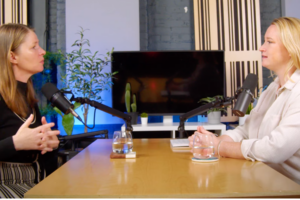
She joined a Center for Science in the Public Interest (CSPI) webinar alongside leading voices in various sectors of food and public health policy. Participants included Marion Nestle, a molecular biologist and nutritionist, and Lisa M. Powell, PhD, a Professor and Director in the Division of Health Policy and Administration, with Sarah Sorscher, an experienced advocate with a passion for public health, from the CSPI as moderator. New York State Senator Zellnor Myrie opened with remarks on the growing momentum to limit harmful food marketing to young people.
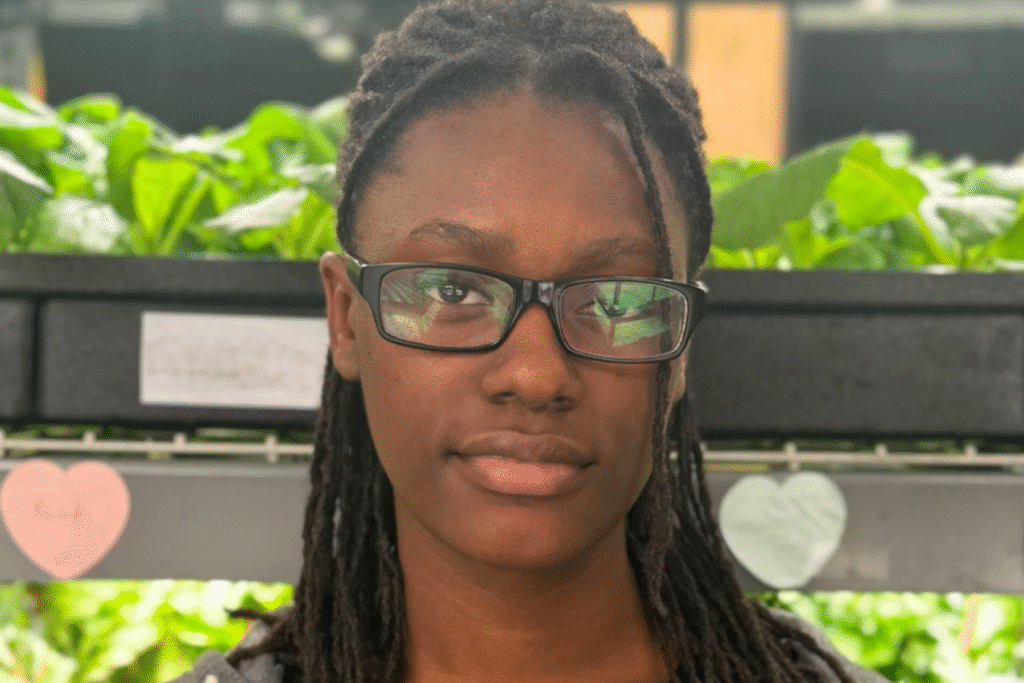
Keiara was the youngest voice in the conversation about translating research into action. She brought what the other panelists couldn’t: a perspective shaped by lived experience and years of advocacy work through TFFJ.
From the Classroom to National Policy Conversations
Keiara’s involvement in food justice began in Teens for Food Justice’s school day program and deepened through TFFJ’s Food Policy Program, where she worked alongside other students to engage directly with food policy at the city level. She gave testimony at City Hall in support of Intro Bill 641, which sets nutrition standards for kids’ meals in restaurants, requiring healthier default beverages and clearer guidelines for how those meals are promoted, under the oversight of the New York City Department of Health.
TFFJ’s Food Policy Program is designed to move students from learning to action. Interns build a foundation in food policy and legislative processes, examine how proposed bills affect communities, and practice real-world advocacy through workshops. The program culminates in direct advocacy, including community outreach, public testimony, and dialogue with decision-makers. This year’s Food Policy Program was made possible through the partnership and funding of the Center for Science in the Public Interest (CSPI), a public health organization that advances evidence-based food and nutrition policy and works to hold the food industry accountable. Their support gives students like Keiara the knowledge, tools, and real-world experience needed to engage meaningfully in food policy and advocacy.
Building youth leadership in food justice is central to TFFJ’s mission. These early opportunities prepare students to fully understand food systems and equip them to improve those systems.
What Youth-Facing Food Marketing Looks Like
The webinar focused on translating research into action to curb unhealthy ultra-processed food advertising, starting with sweetened beverages, and Keiara spoke from her own experience about what she’s seen. “Being a part of advocacy, I’ve seen a wide variety of ways food is being marketed, but most of them tend to follow this specific format, which is to prioritize more emotional and psychological aspects and overshadowing nutrition,” she said.
She pointed to common claims that make it harder to navigate healthier choices. “The ones that I feel like I would want to change more are the things being marketed as gut-healthy, but we don’t know if the health benefits are actually supported by the ingredients,” Keiara explained. “People who want to switch to healthier eating may have a much harder time, due to these potentially deceptive claims like gut healthy, lightly sweetened, or all natural, but we don’t know if they all hide preservatives or emulsifiers when we eat them.”
Keiara, the only youth voice in the room, had a clear vision for next steps, much like the other leading voices present. “In 2026, I do look forward to seeing an expansion in the Intro 641 healthy kids meal bill, because I believe it has potential to cast a light on the truth behind unhealthy eating, showing the real health implications,” she said.
The discussion moved to policy solutions. Speakers discussed strategies to address the scale and impact of unhealthy food advertising, including marketing restrictions, warnings, taxes, litigation, and public investment in healthier food environments.
Keiara’s unique perspective made clear what research alone can’t: food marketing does not just promote products. It shapes norms, trust, and access, especially for young people.
Why Youth Leadership Matters
Young people like Keiara aren’t just affected by food marketing and policy decisions. Through TFFJ’s Food Policy Program, they develop a keen understanding of these systems from the inside. From school-based learning to city-level testimony to national conversations, TFFJ students move through experiences that prepare them to contribute meaningfully to policy work.
Efforts to curb unhealthy food advertising are gaining momentum across the country. What strengthens that work is who helps shape it. Keiara’s presence at this webinar shows exactly why youth voices belong in the rooms where food policy decisions are made
If you want to watch the full conversation, you can view the webinar recording here.❦
Pamela Honey is the Communications & Content Coordinator at Teens For Food Justice.