Work-Based
Learning

Work-Based
Learning

TFFJ hydroponic farms serve as both living classrooms and professional worksites where students build career skills while advancing food justice in their communities.
0

PAID INTERNS ACROSS ALL FARMS

TBD - WBL Goals?

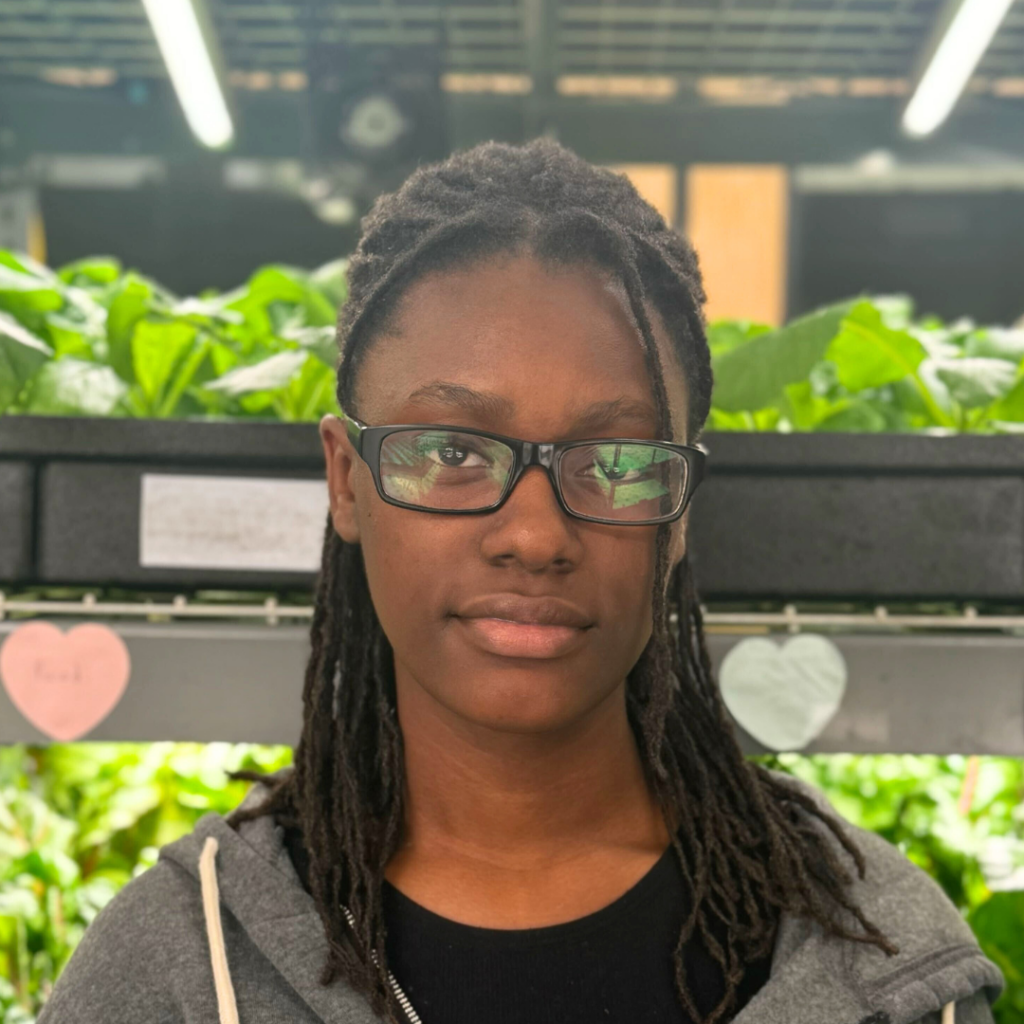
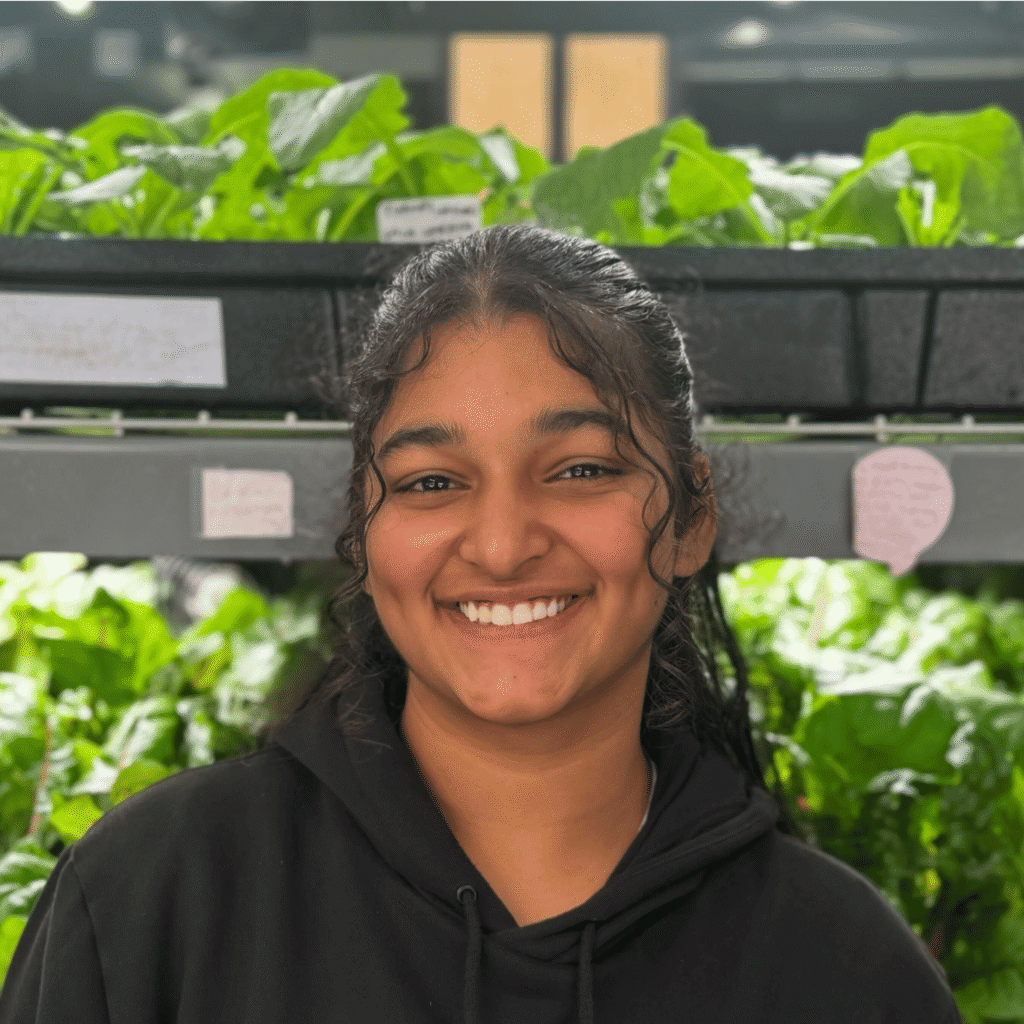
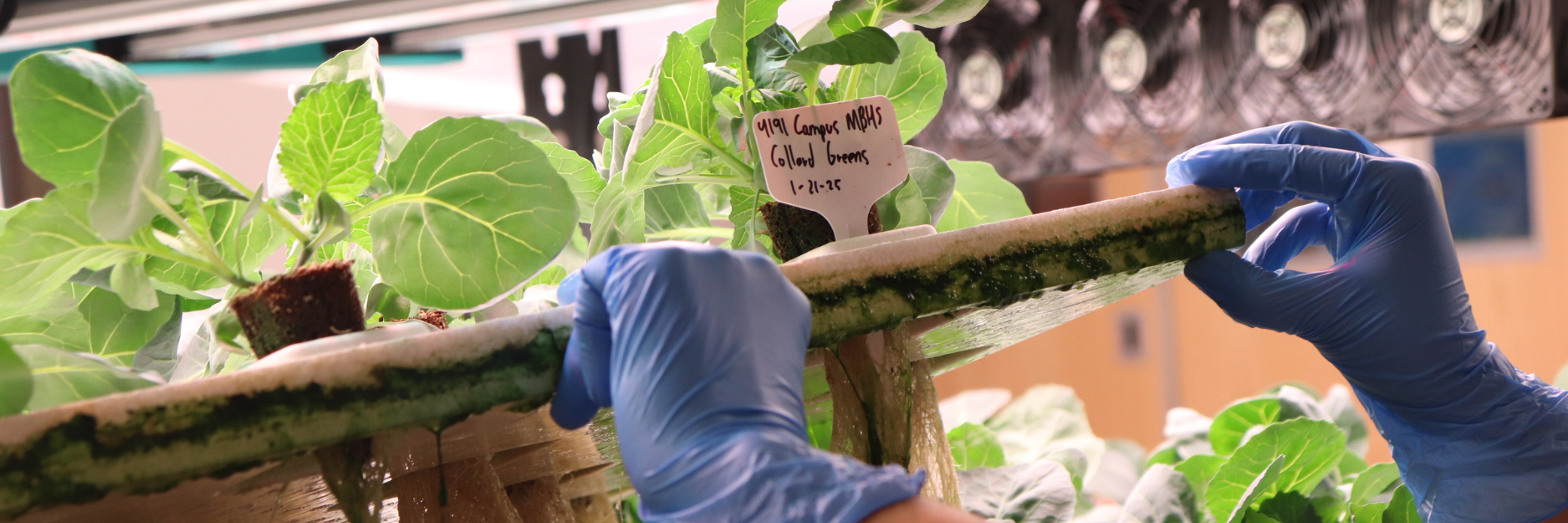
TFFJ hydroponic farms serve as work sites for student interns across New York City. Students gain experience in controlled environment agriculture, food safety and handling, and career readiness skills that prepare them for careers in urban agriculture, food systems, hospitality, culinary arts, health, and advocacy.

Where students build career-ready skills

Students working on TFFJ farms receive training in controlled environment agriculture technology and operations, food safety and handling (including ServSafe certification preparation), farm operations and maintenance, peer mentorship and leadership, and career readiness skills.

These experiences prepare students for careers in urban agriculture, food service, health and nutrition, environmental science, and food policy.

Placement Partners

TFFJ farms serve as placement sites for students participating in work-based learning programs, including:

Where students shape food policy

TFFJ’s Food Policy Program equips high school students to research, develop, and advocate for local food policy changes that advance health and food equity in their communities.

The program launched as a pilot in 2023-24 at the Martin Luther King, Jr. Educational Campus, funded by the Center for Science in the Public Interest. Eight NYC high school students studied and presented policy recommendations on a proposed NYC Council bill focused on restaurant kids’ meals nutrition standards. Three students continued working on the legislation into the 2024-25 academic year, including providing testimony during a City Council hearing.

With support from The New York Community Trust, the program expanded in 2024-25 to Far Rockaway, where eight high school students participate in a 12-week paid internship. By 2025-26, TFFJ will run the program on both the Far Rockaway Educational Campus and Scholars’ Academy.

Read more about the pilot program in this reflection from TFFJ alumna Keiara K., who participated in the 2023-24 cohort.

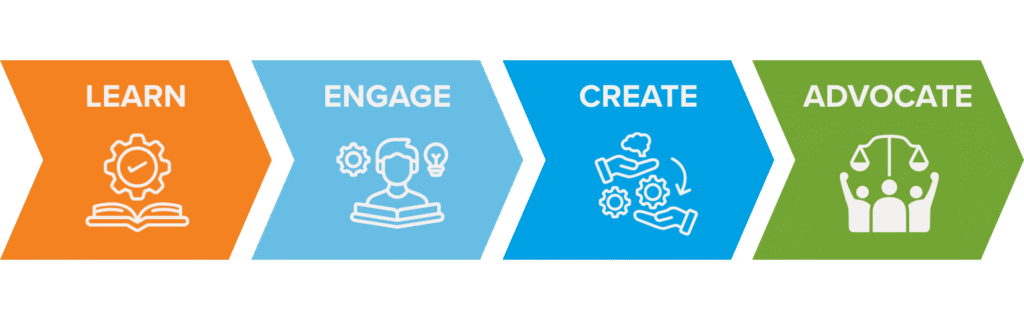
Stages of the Food Policy Program

Learn: Students build foundational knowledge of city and state legislative processes, food policy as a tool for health equity, and existing nutrition policy models.
Engage: Students conduct community research through focus groups, surveys, and stakeholder meetings with peers, families, food policy experts, and restaurant industry leaders.
Create: Students develop policy recommendations informed by community input and expert guidance, then present their work to elected officials and industry stakeholders.
Advocate: Selected interns participate in a paid summer program where they refine recommendations and launch advocacy campaigns, including stakeholder mapping, communication strategies, and direct outreach to elected officials.

Support programs that put fresh food and food justice education in students' hands.

Subscribe to our Newsletter

This field is for validation purposes and should be left unchanged.

DONATE