Students grow and distribute fresh produce for their communities, tackling food insecurity and its negative impacts on health
59,000
pounds of student-grown produce distributed per year.
Our Impact
97,200
Servings of Leafy Greens per year
10,000+
Students Fed Annually
22
Schools Participating
TFFJ Works
0%
of students understand how nutritious food makes a positive difference in their health
0%
of students feel the farm increases their understanding of environmental sustainability
0%
of students see themselves as leaders who can advocate for food justice
0%
of students go home and share what they have learned
0%
of students say they are motivated to eat healthier foods
Student Stories
“The nutrition education we are receiving will help people to understand the meaning of greens and healthy food, and why it’s better. If we eat healthier and stop eating all this junk food, we will live a longer life, and I’m sure that everyone in this world would like a longer life.”
“I like learning to teach other students how to be healthy and how you can have a farm without soil. It’s crazy how nature can combine with technology.”
“[My daughter] used to only like corn, it was just corn corn corn. But since starting this program, she’s started to eat a lot more vegetables.”
Community Food Distribution
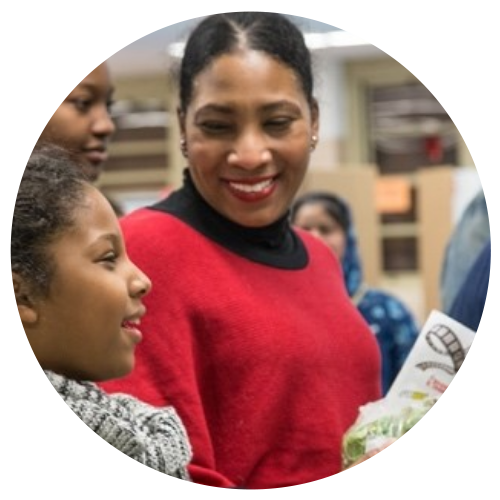
Teens for Food Justice healthy food distributions enable community members to access fresh, healthy free and affordably in the neighborhoods our school farms serve.
Each TFFJ distribution helps residents make healthy meals at home through a unique mix of seasonal fruits and vegetables plus staple items.
Our Partners
Jewish Association Serving the Aging (JASA)
Kingsbridge Heights Community Center
Upper Room International Ministry
B.R.I.D.G.E Family Enrichment Center
Gotham Park
Goddard Riverside/Lincoln Square Neighborhood Center