
This field is for validation purposes and should be left unchanged.

Food Justice Education

Food Justice Education

Expanding learning through hands-on, school-based programs

0

FARM-BASED PROGRAM HOURS DELIVERED

ACROSS EIGHT SCHOOL-BASED FARMS IN NYC AND DENVER IN 2025-2026

Learning happens on the Farm​

Students can engage during the school day, outside of school, or through advanced opportunities that put their knowledge to work in the real world. Each level builds on the last, giving students the tools, experience, and platform to take action on the food systems issues affecting their communities.

Inside the TFFJ model

School Day
Programs

Partner teachers bring classes to the farm during the school day. Students use it as a living lab for STEM, health, and urban agriculture lessons aligned to state standards.

Out-of-School
Programs

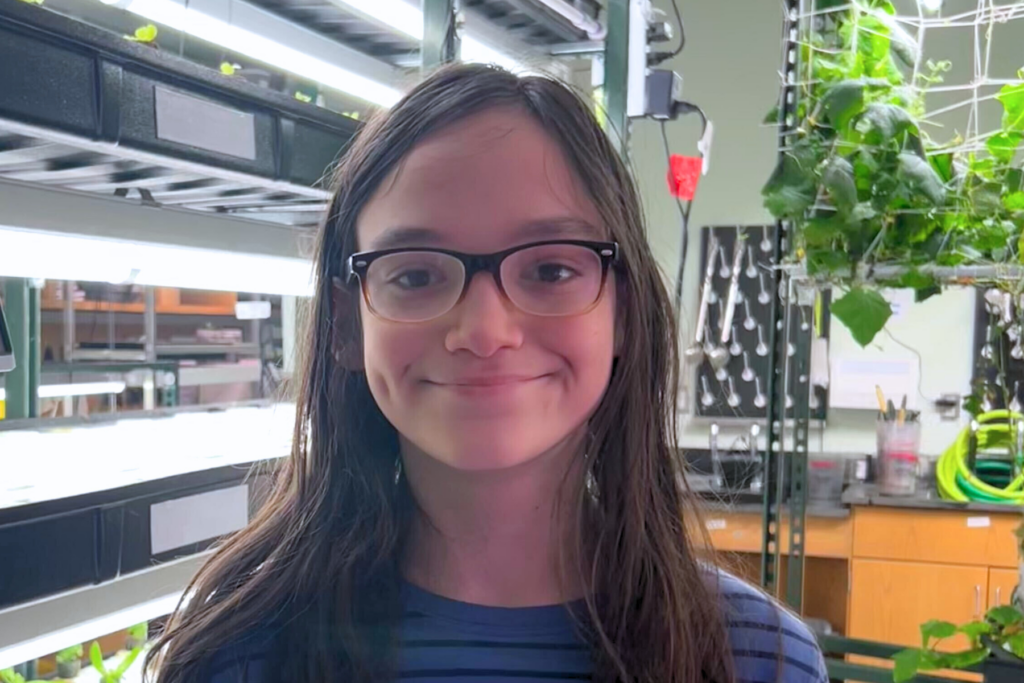
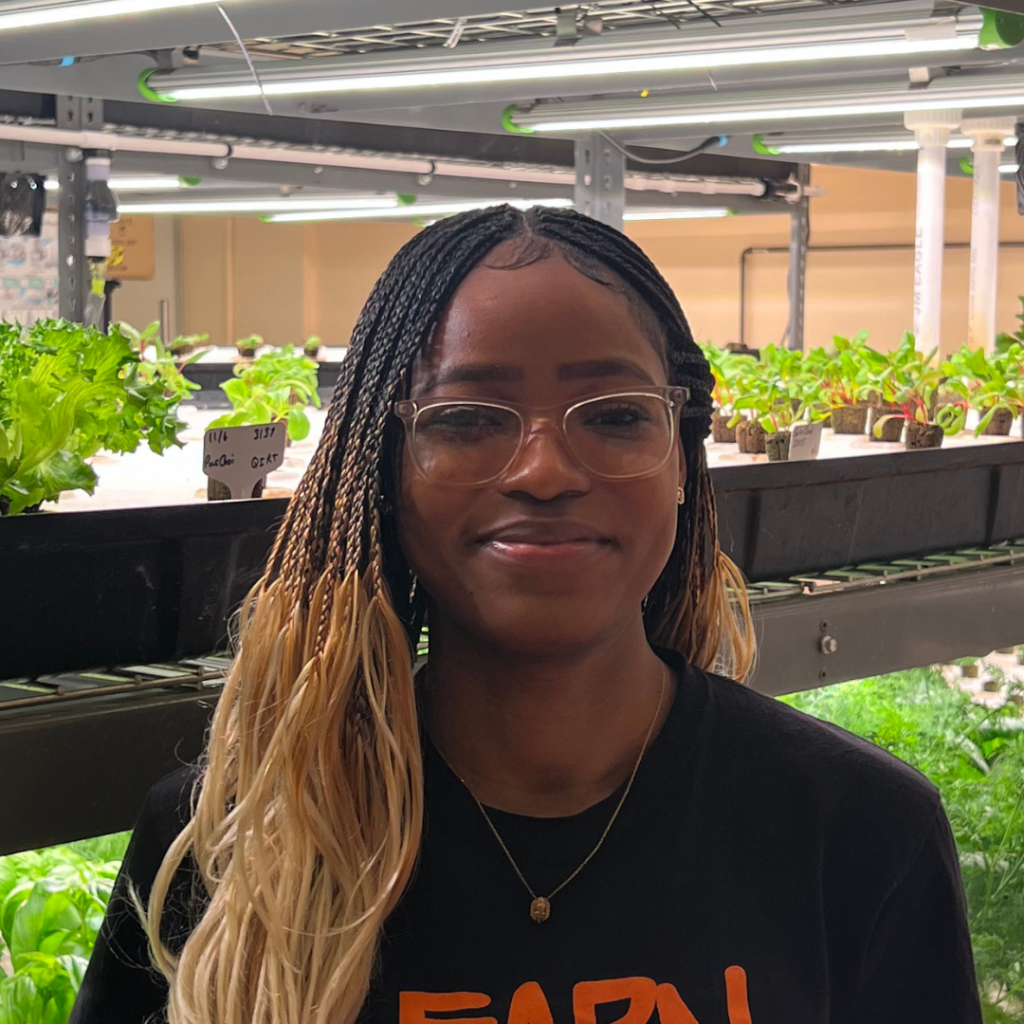
Students who opt into the Hydroponics Club or Culinary Club take on active farm work: seeding, harvesting, cooking, and distributing produce to their families and the wider campus community.

Special
Programs

For students ready to go further, TFFJ offers internships, work-based learning, and food policy advocacy opportunities, giving students paid experience on the farm and a platform to shape real policy change.
What participation looks like

TFFJ’s programs are open to all students attending TFFJ-affiliated schools on campuses where TFFJ operates. Most arrive through school-day classes, where partner teachers bring their students to the farm during the academic day. Others join out-of-school programming directly, drawn by a specific educator or a desire to spend more time on the farm.
For students who want to take on more, on the farm and in their communities, out-of-school programming is where that happens. Out-of-school clubs meet weekly during the academic year, September through June. Out-of-school programming is one of the few spaces where students from different schools in the same building can come together. Students who want to take on larger leadership roles, including peer mentorship and advocacy projects, can do so as they progress through the program.
Students can move freely among school-day programs, out-of-school programs, and special programs, engaging at the level that fits them and deepening their involvement when they’re ready.

Fund the programs that feed students, educate communities, and build the next generation of food justice leaders.

Subscribe to our Newsletter

This field is for validation purposes and should be left unchanged.

DONATE