Preparing students to lead and shape a more just food system
0
OF STUDENTS ENGAGED IN TFFJ PROGRAMS
ACROSS EIGHT SCHOOL-BASED FARMS IN NYC AND DENVER IN 2025-2026
TFFJ students are building career-ready skills
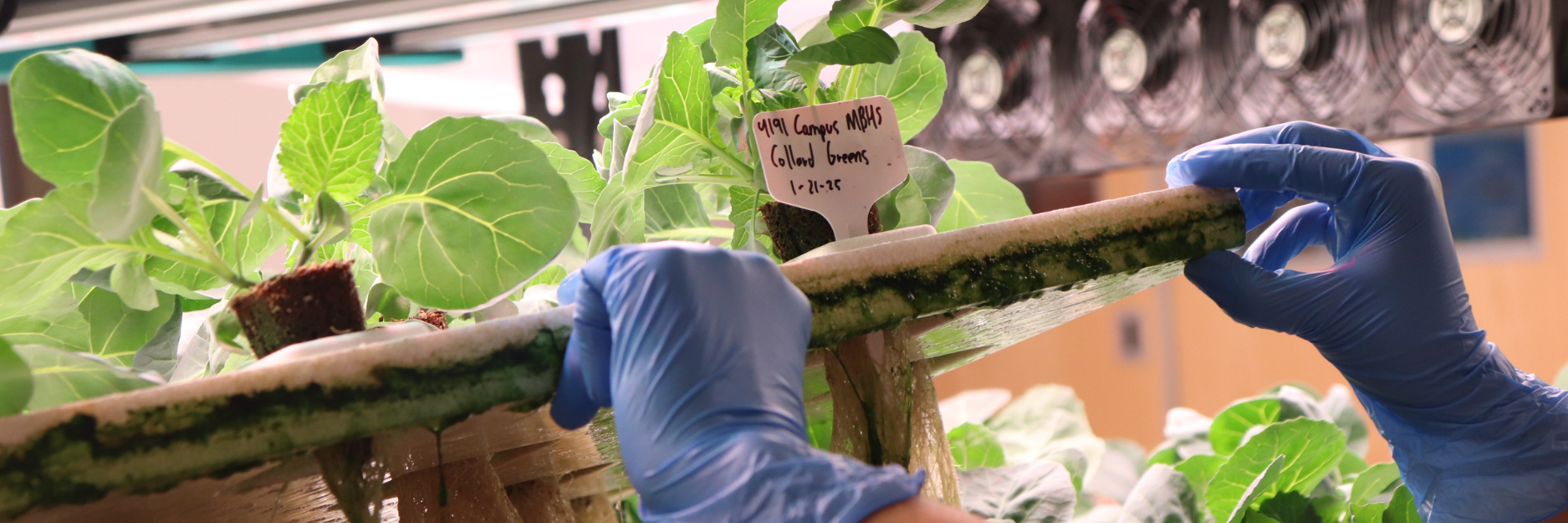
Students who work on TFFJ farms develop skills in controlled environment agriculture, food safety and handling, farm operations, peer mentorship, and career readiness.
Across our school sites, students participate in work-based learning programs that extend into community distribution, nutrition education, recipe development, and food policy advocacy. Many include a professional development component.
Students also build leadership through TFFJ’s annual Student Leadership Conference, where students from across our sites connect and deepen their understanding of the food system.
The Food Policy Program
TFFJ’s Food Policy Program trains students to examine the policies that shape food access in their communities and to act on what they find. Through a paid internship, students study how legislation moves through local and state government, research bills that affect food access, and bring that knowledge into real advocacy settings.
TFFJ students have engaged food policy in different ways. That includes testimony at City Hall, informal conversations with lawmakers in Albany, and participation in a rally addressing menu transparency, including sugar and salt levels and predatory marketing.
TFFJ alumna Keiara K. MCs a food policy rally at Roberto Clemente Plaza in the Bronx.
The Scholars’ Academy students with Assembly Member Khaleel Anderson at the State Capitol in Albany.
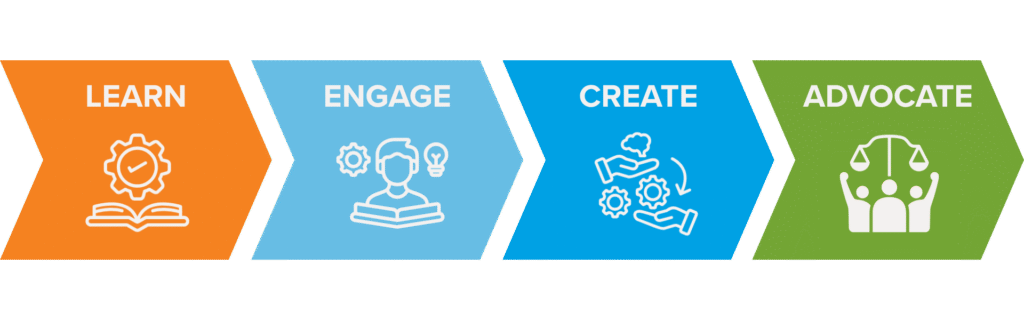
Stages of the Food Policy Program
Learn: Students build foundational knowledge of city and state legislative processes, food policy as a tool for health equity, and existing nutrition policy models.
Engage: Students conduct community research through focus groups, surveys, and stakeholder meetings with peers, families, food policy experts, and restaurant industry leaders.
Create: Students develop policy recommendations informed by community input and expert guidance, then present their work to elected officials and industry stakeholders.
Advocate: Selected interns participate in a paid summer program where they refine recommendations and launch advocacy campaigns, including stakeholder mapping, communication strategies, and direct outreach to elected officials.
“I would encourage other students to get out of their comfort zones and seize opportunities like this because engaging in advocacy is extremely rewarding and provides valuable skills you can take throughout your life."
“This experience showed me that local advocacy is where the change can begin."
"My goal with this internship is to help children and people of all ages and to understand the necessity of why healthy food is important."
Work-Based Learning
TFFJ partners with schools, workforce development programs, and community colleges to place students in structured work-based learning roles on our farms. These placements run during the school year and through the summer, giving students consistent, paid experience in real farm operations.
Students in these roles support harvests, community distributions, nutrition education, and intern-led projects. Many programs include a professional development component alongside the on-farm work.
Work-based learning is one of the ways TFFJ connects food justice education to economic opportunity.
Placement Partners
TFFJ farms serve as placement sites for students participating in work-based learning programs, including:
We use cookies to see how the site is used so we can improve it. You can accept or decline. Declining will not affect how the site works or your ability to donate. Read our Cookie Policy
Needed for the site to load, keep you secure and remember your accessibility settings. Always on.
Counts visits and which pages are read, so we can see what is useful. Never used to advertise to you.
Lets advertising platforms recognise this browser across other websites.