Inside Our
Program

TFFJ programming brings our mission to life by empowering students
to lead the fight for a more just and equitable food system.
 
0
0
0
0
Students Engaged
0
Students Engaged
In Curricular Day Activities
0
Students Engaged
In Extra-Curricular Activities
0
Student Interns
0
STUDENTS
ENGAGED​
STUDENTS ENGAGED IN CURRICULAR DAY ACTIVITIES​
STUDENTS ENGAGED IN EXTRA-CURRICULAR PROGRAMS​
STUDENT
INTERNSHIPS
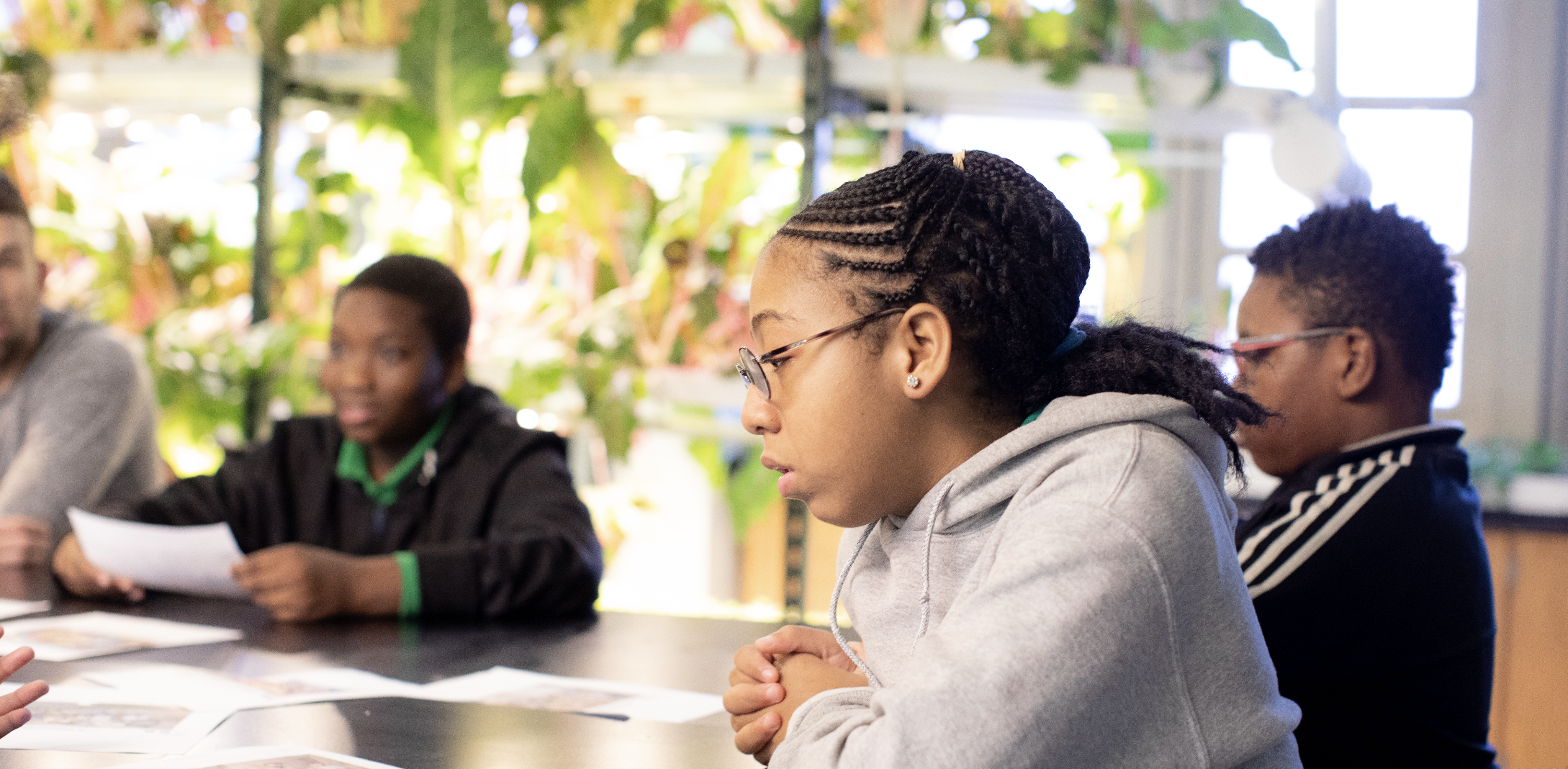
Through in-school and after-school experiences, students manage hydroponic farms built inside their schools, growing fresh produce for their cafeterias and communities. Alongside this experiential farming, they engage with a robust curriculum that covers food justice, nutrition, health, STEM, and advocacy.
Designed and led by TFFJ’s Program Team, this work equips students with the skills, knowledge, and confidence to drive lasting change in their schools and beyond.

Pillars Of Learning

TFFJ’s curriculum is rooted in five integrated learning themes:

Controlled Environment Agriculture (CEA) - Pillars Of Learning - Icons

Controlled Environment Agriculture (CEA)

Youth operate advanced hydroponic systems and design their own experimental grow kits.

Food Justice & Advocacy - Pillars Of Learning - Icons

Food Justice & Advocacy

Students investigate the root causes of food apartheid and advocate for local policy change.

Health & Nutrition - Pillars Of Learning - Icons

Health & Nutrition

Focused instruction on the benefits of fresh foods and healthy eating habits.

Culinary & Food Education - Pillars Of Learning - Icons

Culinary & Food Education

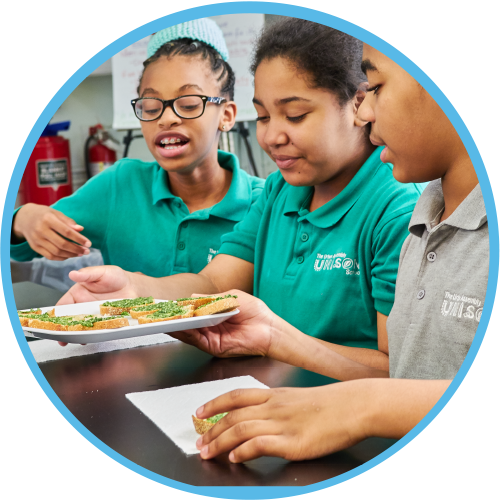
Students lead cooking demos using produce they’ve grown—linking food, culture, and family.

Community Engagement & Social Impact - Pillars Of Learning - Icons

Community Engagement & Social Impact

Students use school farms as community resources, distributing food and raising awareness.

Learn more about TFFJ programs:

We’re nourishing minds, bodies, and communities

Nourishing Minds

Innovative Farming Technology

Students build their hydroponic systems from the ground up, mastering:

  • Hydroponic systems technology
  • Urban agriculture engineering
  • Plant biology/chemistry
  • Physics of indoor growing
  • Data collection/tracking
  • Indoor agriculture as a food scarcity solution

Nourishing Bodies

Integrated Health Education

Students harvest, taste, and learn from the foods they grow. Curricular activities include:

  • Cooking with the harvest
  • Eating the “fruits of the farm”
  • Learning the health benefits of plants
  • Healthy affordable shopping skills
  • Understanding local foodscapes
  • Healthy recipe preparation

Nourishing Communities

Healthy Food Distribution and Advocacy

Through their TFFJ experience, students learn the value of healthy eating and the importance of equitable access to nutritious food while working to provide that food for themselves and their communities.

  • Students and their communities benefit from fresh food that is grown locally at school farms.
  • Students champion food justice issues, speaking out about resource inequality and empowering others to raise their voices for change.

Healthy Food Distribution

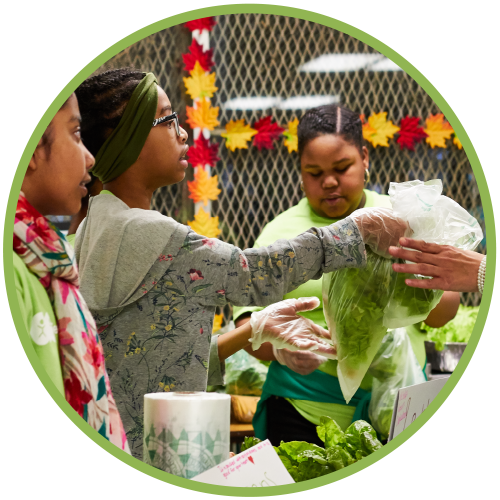
Our students are good food ambassadors for their schools and communities. From running fresh produce markets to leading cooking demos, they’re raising continuous awareness about healthy food options.

Advocacy

Students also champion food justice issues, speaking out about resource inequality and empowering others to raise their voices for change.

Subscribe to our Newsletter

This field is for validation purposes and should be left unchanged.

DONATE